

Dendrophilia: Understanding Tree Fetish
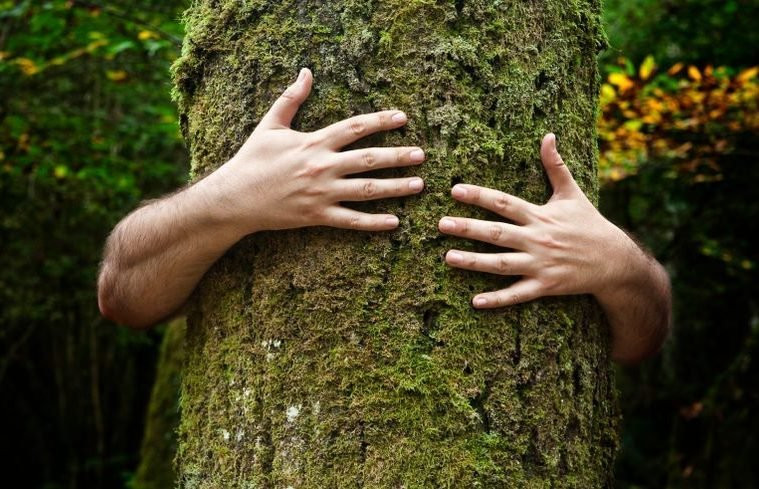
What is dendrophilia?
Dendrophilia is a term used to describe the sexual or erotic attraction to trees, trunks, roots, leaves or elements related to plant nature. The word originates from Greek:
dendron = tree
philia = affinity, love
Although it is classified within the group of paraphilias (sexual behaviors considered outside the social standard), it is important to understand the phenomenon in a broader way, without automatically reducing it to something pathological.
Expressions of dendrophilia
Dendrophilia can manifest itself in different ways:
- Aesthetic or romantic attraction to trees, without necessarily having physical contact.
- Erotic fantasy involving forests, trunks or roots.
- Direct physical contact, in which the tree becomes part of the sexual act or stimulation.
It is worth noting that, in most cases, this interest is not associated with risks, but, if taken to the extreme, it may involve unusual behaviors that require attention.
Is dendrophilia a pathology?
There is no scientific consensus that defines dendrophilia as a disease. Traditional psychiatry includes it in the group of paraphilias, but the clinical diagnosis is only considered when:
causes significant suffering to the individual;
compromises your social or emotional life;
involves risks to physical integrity or the environment.
If the practice or fantasy does not negatively interfere with well-being, it can be understood as a variation of human sexuality.
Cultural and symbolic context
Trees have always had a strong symbolic meaning in different cultures: they represent fertility, strength, life and connection with the sacred. In ancient mythologies, they were seen as symbols of desire and vital energy. It is possible that dendrophilia, in some cases, is linked to this symbolic appreciation of nature.
Contemporary reflections
Today, when talking about dendrophilia, discussions arise about:
Diversity of human sexuality and its limits.
Respect for the environment, as the practice should avoid any damage to trees.
Mental health, considering that it only becomes a clinical concern when it negatively affects a person's life.
Share article
 Share on Facebook
 Share on Twitter