

Open Relationships and Polyamory in Portugal: A New Perspective on Love and Relational Freedom
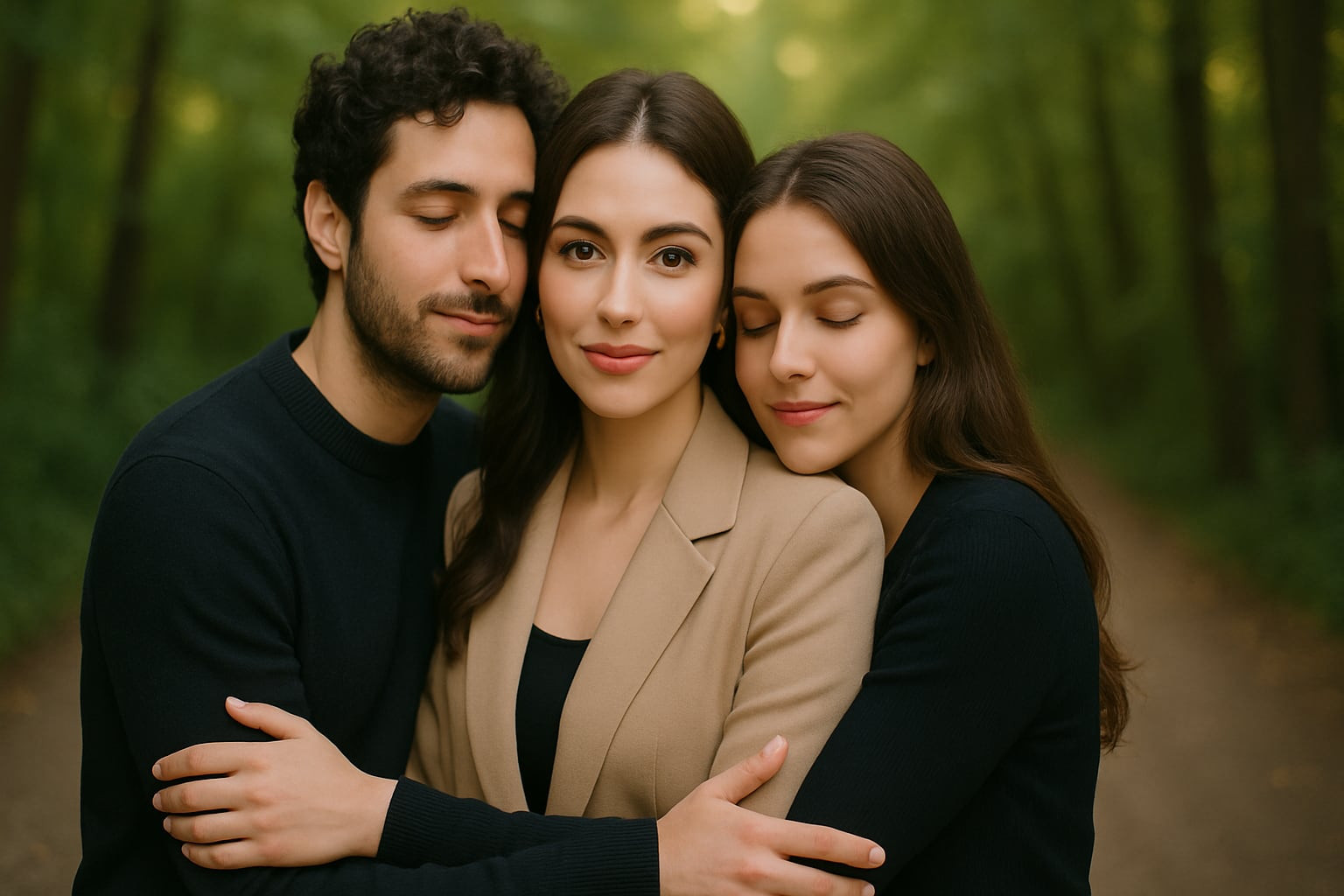
In recent years, there has been a significant change in the way the Portuguese view romantic relationships. As access to information increases and social norms evolve, interest in relationship models that go beyond traditional monogamy also grows. Among the most discussed are open relationships and polyamory — practices that challenge conventions and open space for new forms of emotional and sexual connection.
1. What are open relationships?
An open relationship is a consensual form of non-monogamy, in which two partners maintain an emotional or romantic commitment to each other, but allow (with defined rules) each to be sexually involved with other people. This relational model is based on values such as:
- Mutual consent
- Honest communication
- Respect for established limits and agreements
It is important to emphasize that an open relationship is not synonymous with promiscuity or betrayal — on the contrary, it requires a high level of maturity, emotional clarity and emotional responsibility.
2. What is polyamory?
Polyamory (from the Greek poly = many and the Latin amor = love) refers to the practice of maintaining more than one loving or intimate relationship at the same time, with the knowledge and consent of all the people involved. Unlike open relationships, which may have a more sexual focus, polyamory prioritizes multiple deep emotional connections.
There are different ways to experience polyamory:
Hierarchical: where there is a “main relationship” and other secondary ones.
Anarchic: where all relationships are considered equally important.
Polyfidelity: where a closed group maintains relationships only with each other.
3. Portugal and the new models of love
Portuguese society has slowly moved towards greater acceptance of relational diversity. Although cultural and social resistance still exists — especially among older generations or in more conservative environments — many young people and adults are exploring these alternatives with curiosity and openness.
The emergence of groups on social media, podcasts about ethical sexuality, books translated or produced in Portuguese and even in-person themed events have contributed to normalizing these practices. Terms like “ethical non-monogamous relationship” or“free love” are starting to become part of the common vocabulary in certain circles.
4. Practical and emotional challenges
Despite the appeal to freedom and authenticity, both open relationships and polyamory require intense emotional work. Among the most common challenges are:
Jealousy and insecurity: which must be faced with dialogue and self-knowledge.
Time and emotional energy management: especially in polyamory, where more relationships mean more involvement.
Social stigma: It is common to face criticism or misunderstanding from family, friends or colleagues.
Constant communication: emotional clarity and transparency are fundamental pillars.
5. Benefits reported by those who experience them
Many people in open or polyamorous relationships talk about benefits such as:
Greater emotional authenticity: freedom to be who you are, without hiding desires or feelings.
Personal development: dealing with jealousy, communicating better and establishing personal limits strengthens emotional maturity.
Relationships more adapted to each person's reality: instead of forcing pre-defined models, a bond is created that makes sense for everyone involved.
6. Education and information: the path to respect
It is important to remember that there is no ideal relationship model for everyone. What is healthy for some may not work for others — and that is perfectly natural. The key is mutual respect, informed consent and freedom of choice.
In Portugal, more institutions, therapists and sex educators are beginning to address relational diversity in their practices, helping to deconstruct myths and promote the emotional well-being of those who choose to follow different paths than usual.
Conclusion: Love also evolves.
We live in an era where individual freedom is more valued than ever. With this, affective relationships also take on new forms, new rules — or even the absence of them. Whether monogamous, open or polyamorous, the most important thing remains honesty, care and respect between all the people involved.
Portugal is, step by step, opening space for these conversations — and that is a good sign of collective maturity.
Share article
 Share on Facebook
 Share on Twitter