

The Kamasutra: History, Meaning and Interpretations
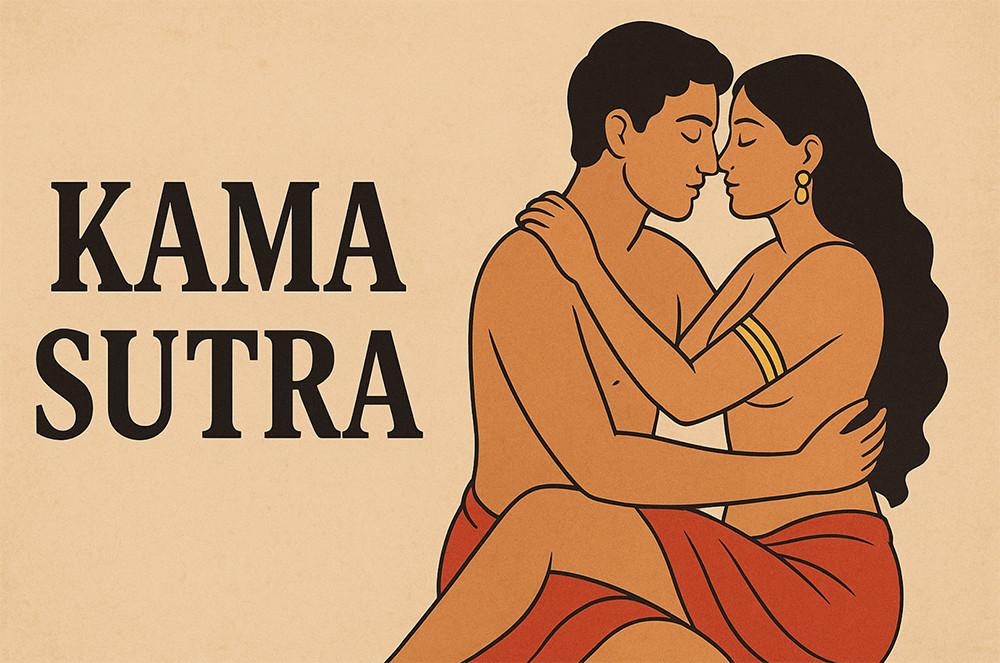
The Kamasutra is one of the best-known works of ancient Indian literature, often remembered in the West as a manual of sexual positions. However, its cultural, philosophical and historical importance goes far beyond this aspect. It is a classic text that addresses the art of love, pleasure and human coexistence.
Origin and Authorship
The Kamasutra was written between the 2nd and 4th centuries AD, in India, by Vatsyayana Mallanaga, a Hindu philosopher. The work was composed in Sanskrit and is part of a literary tradition linked to shastras, normative texts that sought to guide aspects of life.
The title combines two Sanskrit words:
Kama – pleasure, desire, love.
Sutra – aphorism, concise teaching.
Thus, Kamasutra literally means “aphorisms about desire”.
Content of the Work
Despite being popularly known only for its erotic illustrations, the Kamasutra is, in fact, a treatise divided into seven parts, which cover different themes:
- General principles of life and love
- The art of seduction
- Physical intimacy and sexual positions
- The role of the wife and marital life
- Concubines and extramarital relationships
- The seduction of other men's wives (a reflection of the customs of the time)
- The helpers of love: music, perfumes, cosmetics and the art of refined living
In other words, the book is not just a sexual manual, but also a guide to relationships, etiquette and the aesthetics of love life.
Philosophy and Cultural Significance
The Kamasutra is part of the Indian tradition that divided life into four main objectives:
Dharma (ethics, duty)
Artha (prosperity, wealth)
Kama (pleasure, love)
Moksha (spiritual liberation)
The text understands Kama as a fundamental part of life, but not as something isolated: it should be in balance with duty, prosperity and spirituality.
The Kamasutra in the West
The Kamasutra arrived in Europe in the 19th century, translated by Sir Richard Burton and other orientalists. Since then, it has become a symbol of eroticism, often reduced to a catalog of illustrated sexual positions. This view, however, is partial, as the work has a much broader character.
Current Relevance
Today, the Kamasutra is studied both for its historical value and for its approach to sexuality as a natural part of human life. In a world where there are still taboos about sex, the text can inspire reflections on:
The importance of intimacy and pleasure in emotional life.
Eroticism as art and not just as instinct.
Valuing the body, aesthetics and sensitivity.
Share article
 Share on Facebook
 Share on Twitter